

New
Description
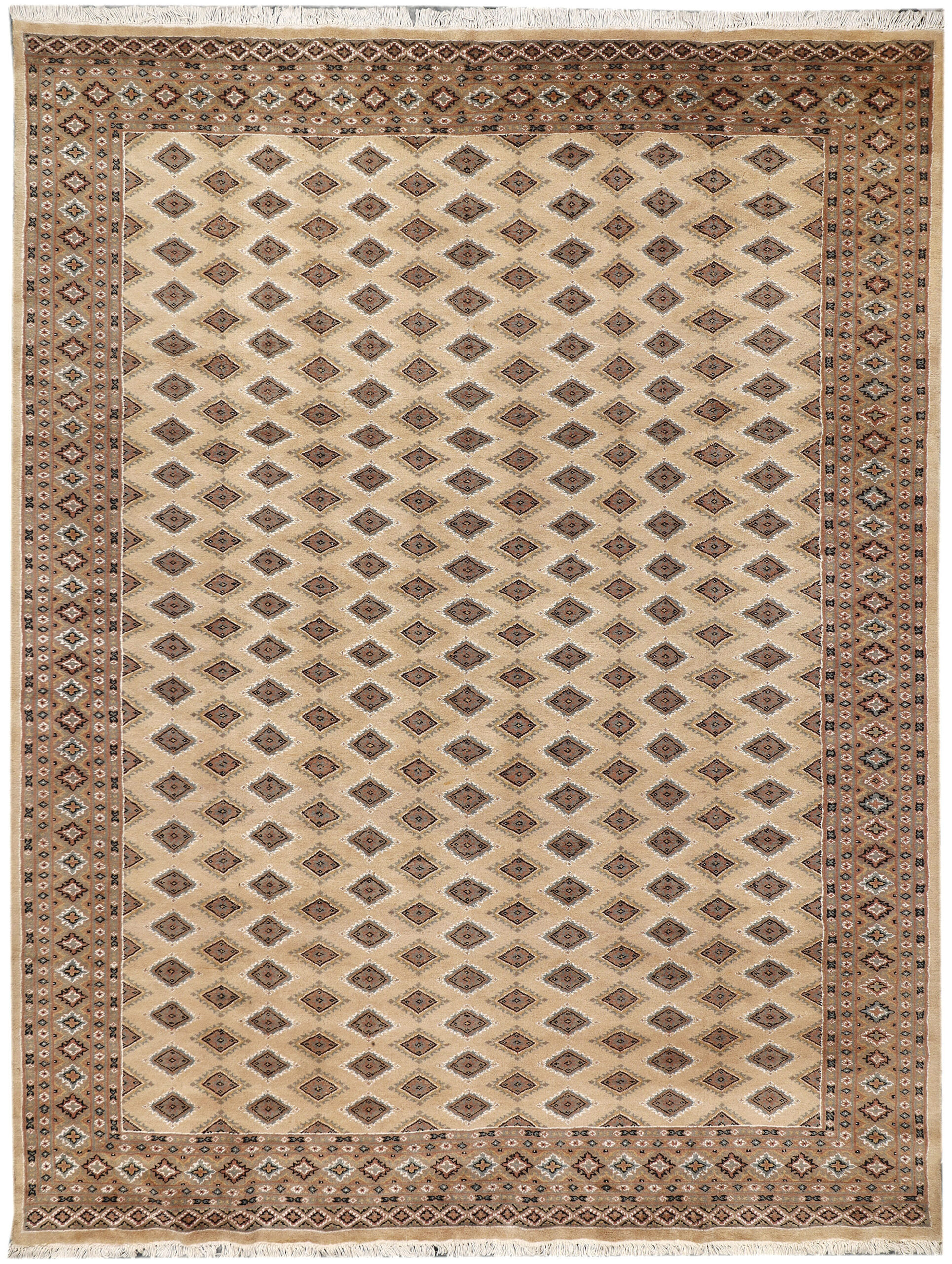
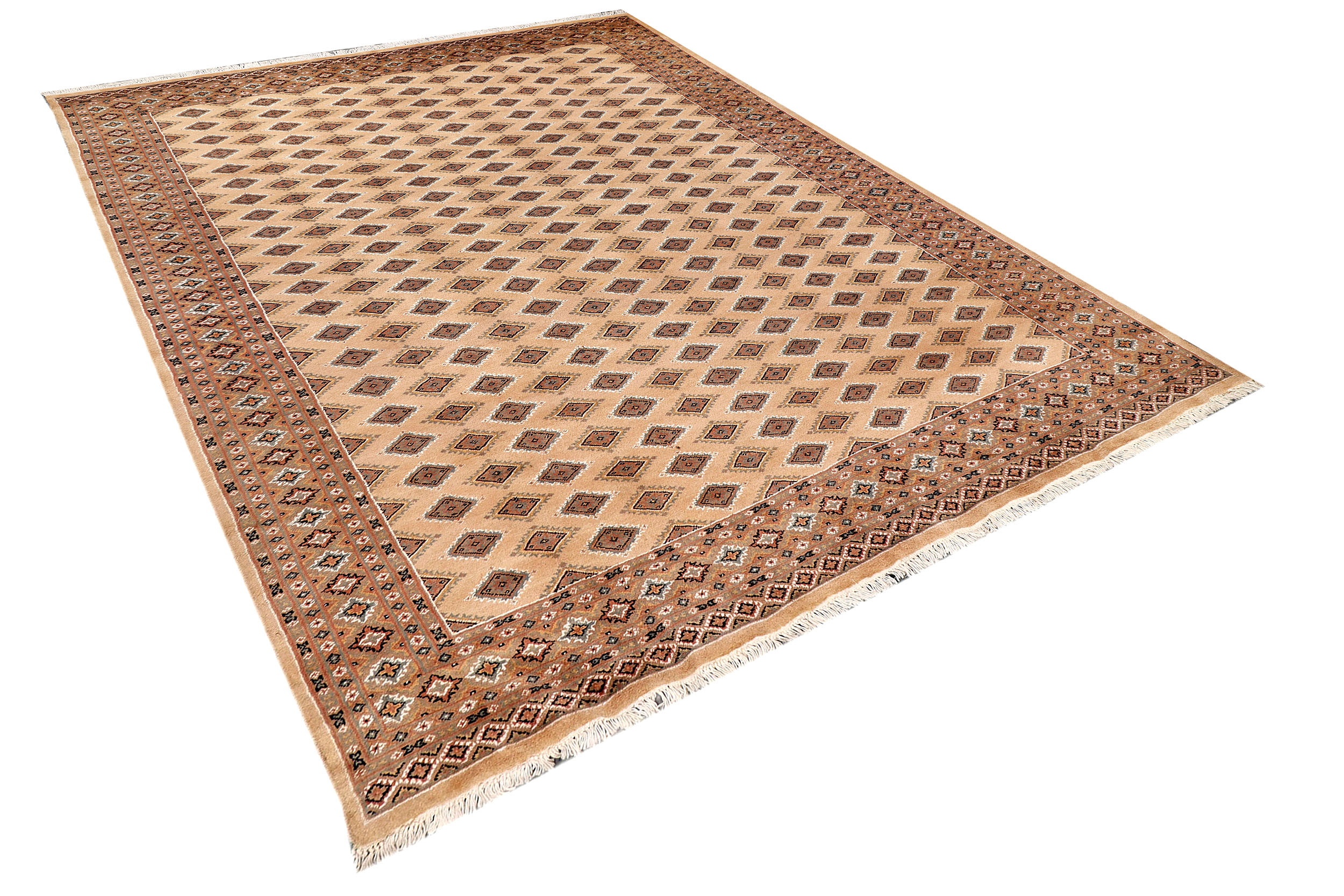
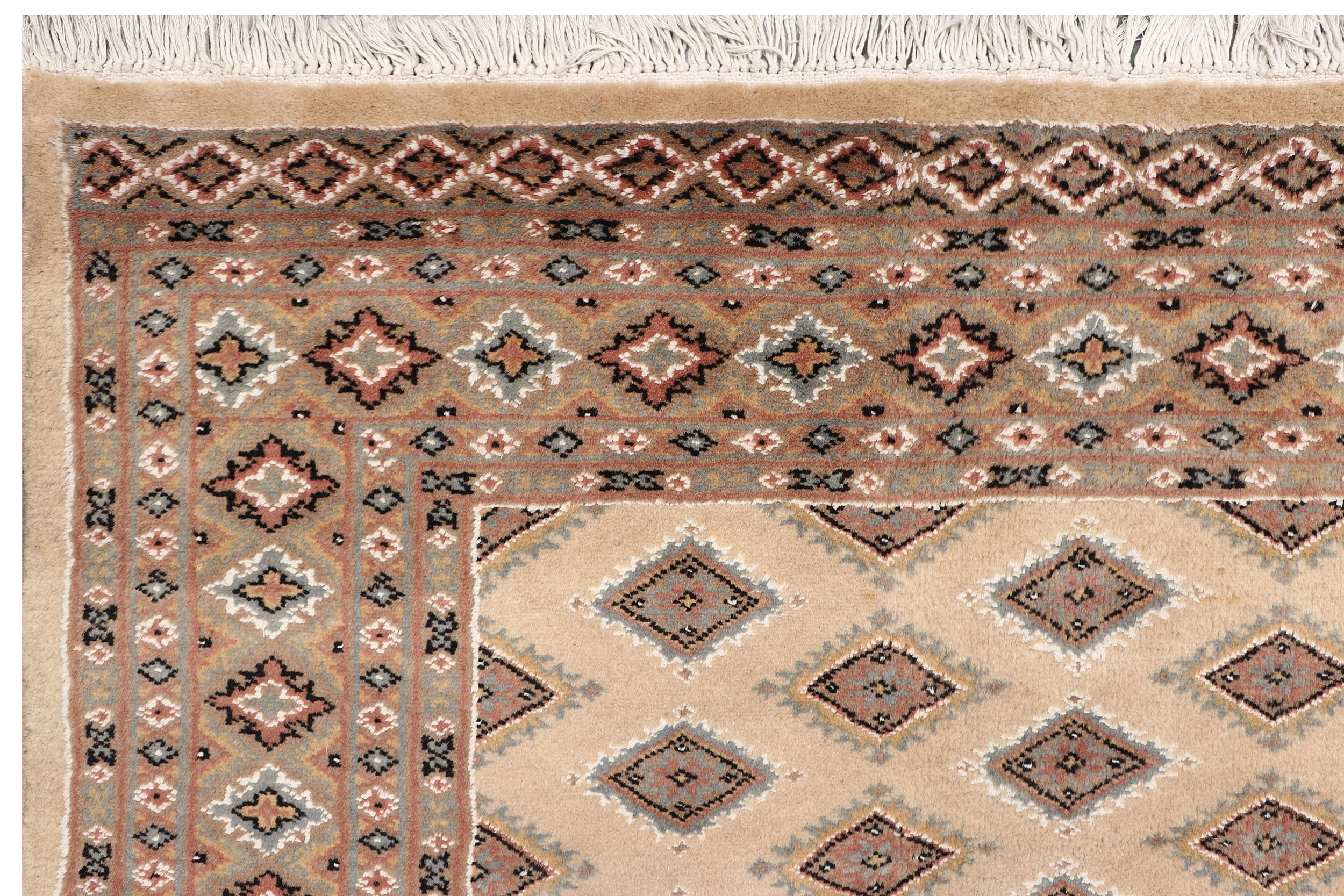
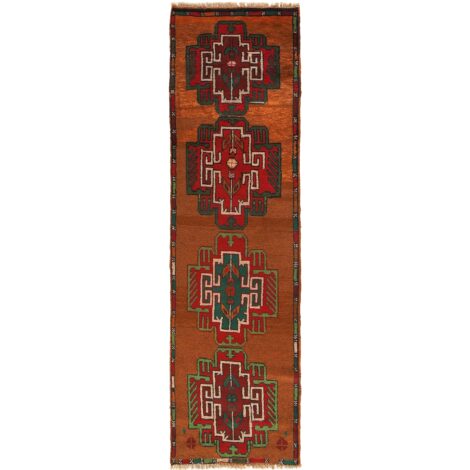
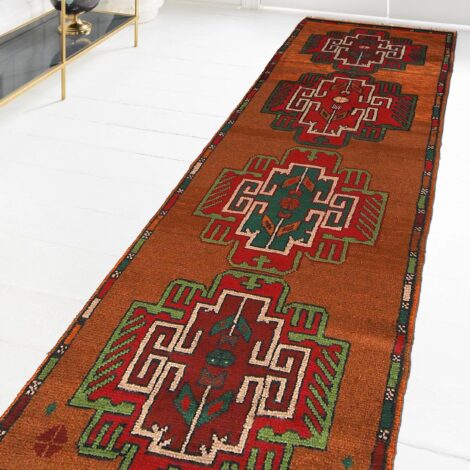
Bokhara Carpets originated with Turkmen nomadic tribes and became internationally known through trade in Bukhara. Characterized by their iconic gul motif and rich red tones, they evolved from tribal functional art into globally traded luxury textiles.

History of Bokhara Carpets
Bokhara carpets (also spelled Bukhara) are traditional handwoven rugs associated with Central Asia, particularly the historic city of Bukhara in present-day Uzbekistan. Despite their name, many “Bokhara” carpets were historically woven not only in the city itself but by Turkmen tribes across the region.

1. Origins: Turkmen Tribal Weaving (Pre-18th Century)
The roots of Bokhara carpets lie with the Turkmen nomadic tribes, including:
Tekke, Yomut, Ersari, Salor

These tribes wove rugs primarily for personal and tribal use rather than trade. Carpets served practical and symbolic purposes:
Tent decorations and insulation
Floor coverings
Prayer rugs
Dowry items

The weaving techniques were passed down through generations, and patterns often signified tribal identity.

2. The “Gul” Motif
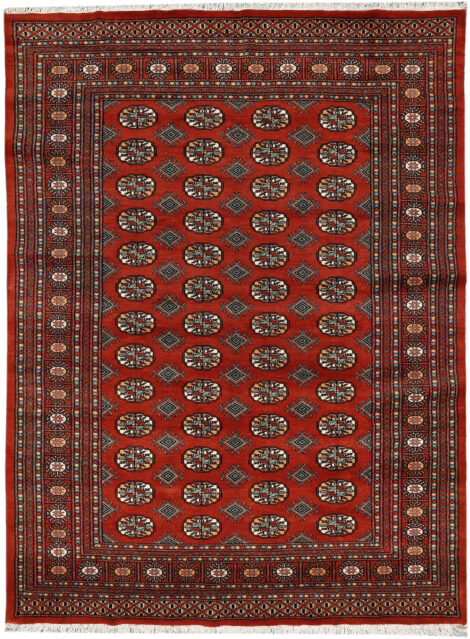
The most recognizable feature of Bokhara carpets is the repeating “gul” motif — an octagonal or geometric medallion pattern arranged in rows across a red field.

Each tribe had its own version of the gul, which functioned almost like a woven signature. For example:

Tekke carpets often feature dense, symmetrical guls.
Yomut rugs typically display more varied and angular designs.
The dominant colors traditionally included:
Deep Reds (from madder root dyes), Navy blue, Ivory, Brown, Salmon, Copper and Greens.

3. Rise of Trade Through Bukhara (18th–19th Century)
During the 18th and 19th centuries, the city of Bukhara became a major trading hub along the Silk Road. Although many rugs were woven elsewhere, they were sold through Bukhara’s markets.

As a result:
European merchants began referring to Turkmen rugs as “Bokhara Carpets.”

The name became a commercial label rather than a precise geographic indicator.

By the late 19th century, Bokhara rugs were highly sought after in:
Russia
United Kingdom
Germany

4. Russian Influence and Industrial Changes (Late 19th–Early 20th Century)

After the Russian expansion into Central Asia in the 1860s–1880s, trade increased dramatically. Demand from Europe led to:

Standardization of designs
Larger production sizes
Use of chemical dyes (replacing many natural dyes)

While this boosted production, some collectors argue it reduced the uniqueness of earlier tribal pieces.

5. Soviet Period (1920s–1991)
Under Soviet rule:
Traditional tribal structures were reorganized.
Weaving cooperatives were formed.
Designs were often standardized for export markets.
Although craftsmanship continued, commercial production increased significantly.

6. Modern Bokhara Carpets
Today, Bokhara-style carpets are produced in:

Turkmenistan
Uzbekistan
Pakistan
Iran

Many modern “Bokhara” rugs (especially Pakistani Bokharas) feature:
Highly uniform Tekke-style guls
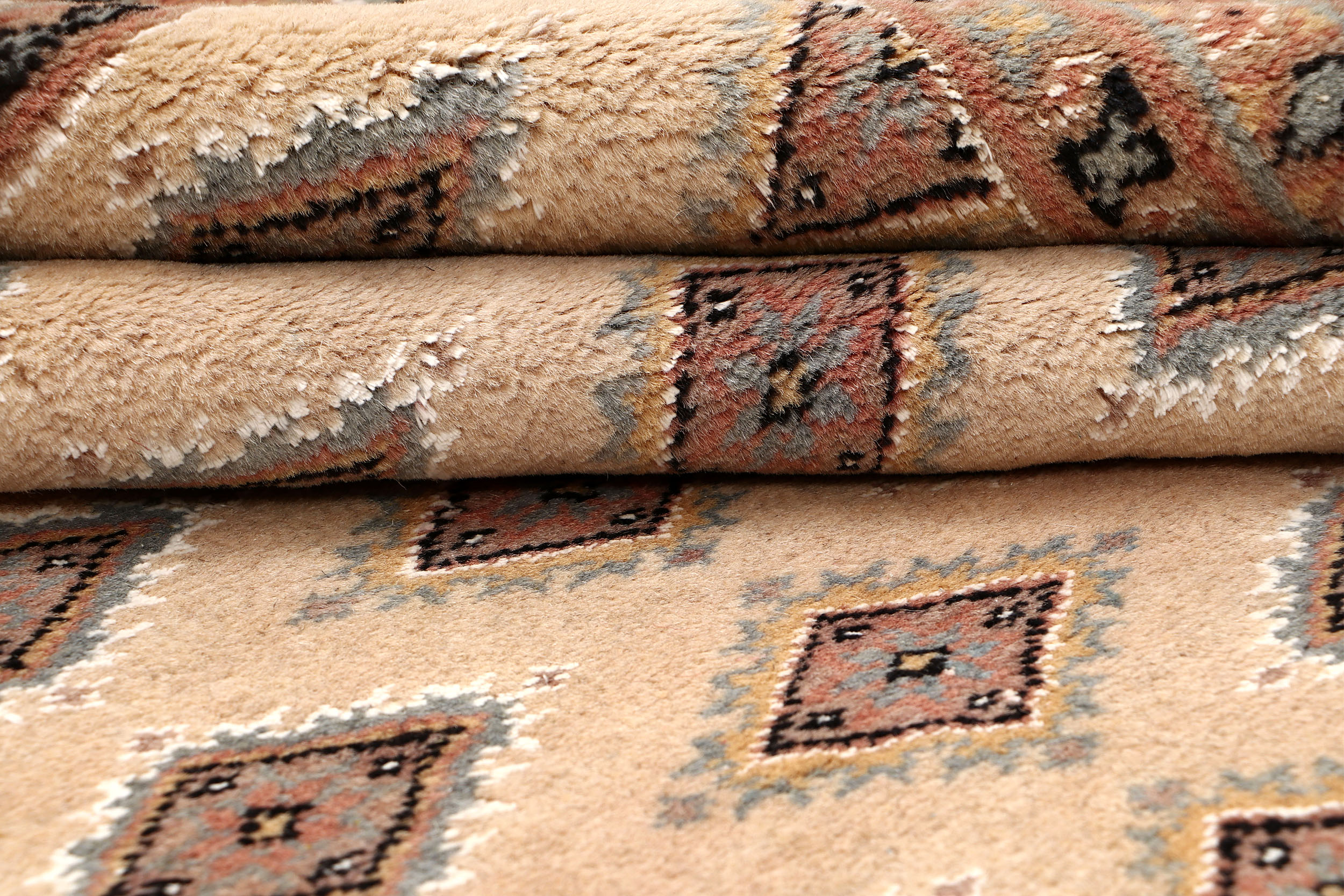
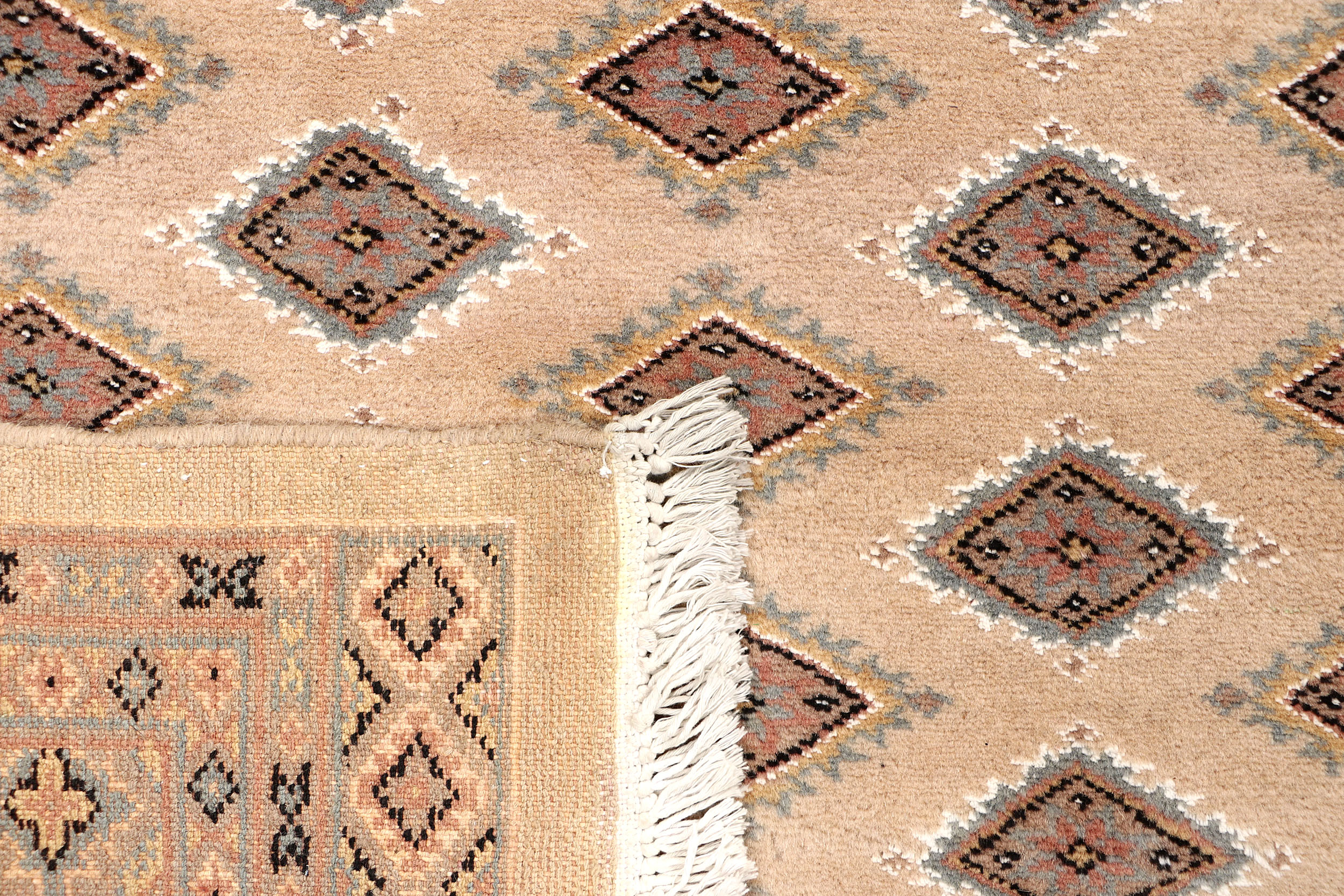
Fine knotting
Synthetic dyes

Antique 19th-century tribal Bokhara carpets remain highly collectible and valuable.
Additional information
| Weight | 12 kg |
|---|---|
| Dimensions | 324 × 239 × 3 cm |

Reviews
There are no reviews yet.