

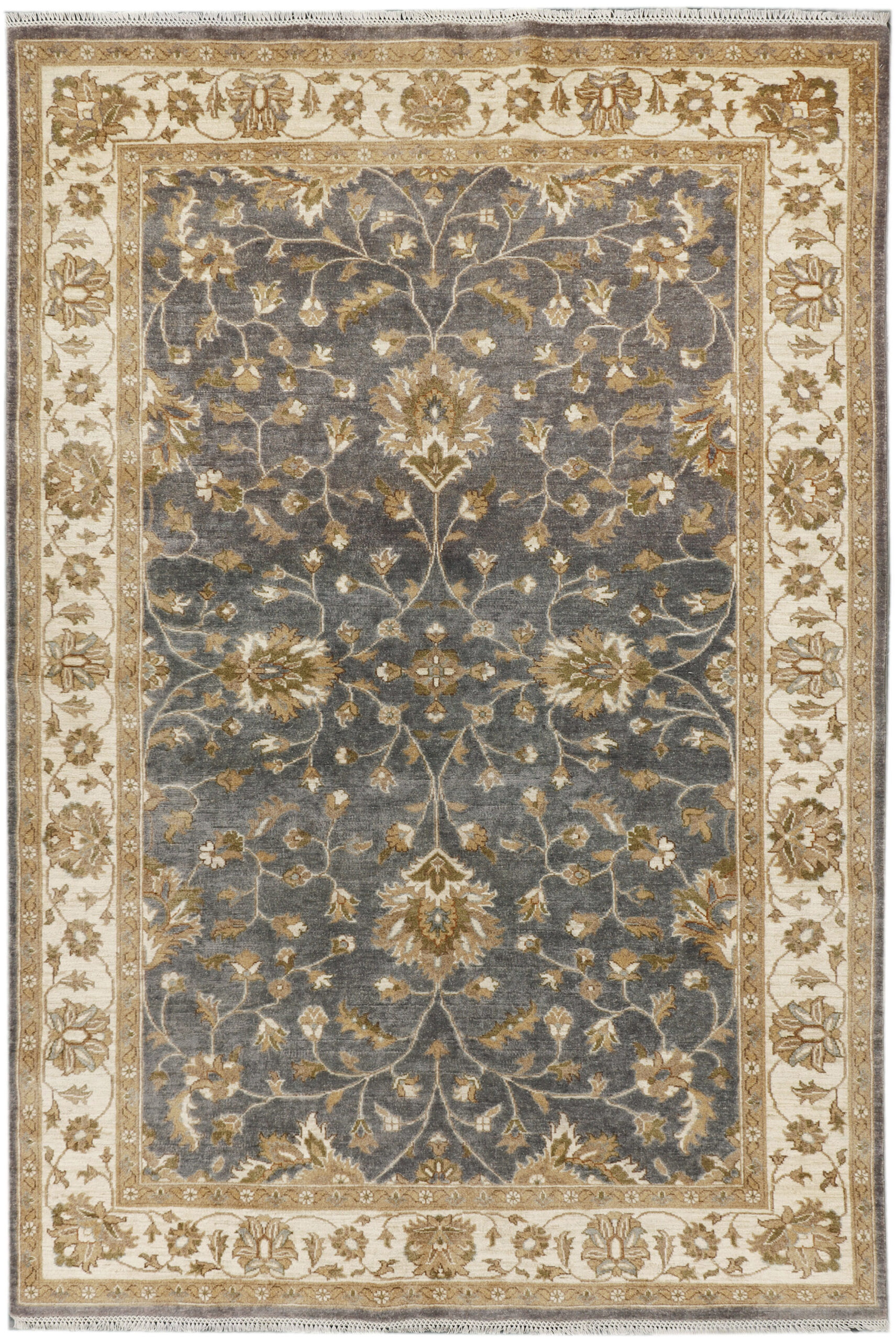
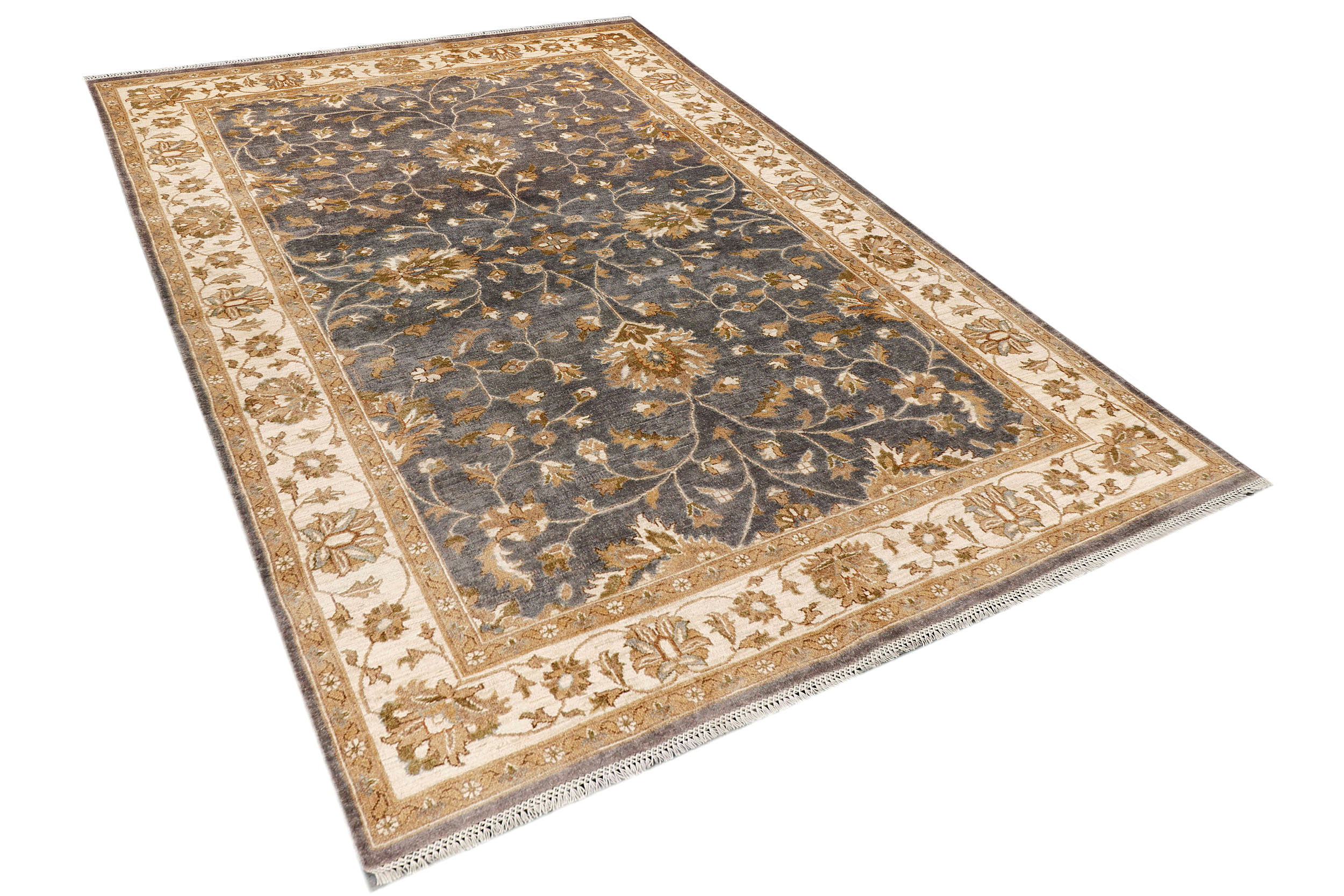
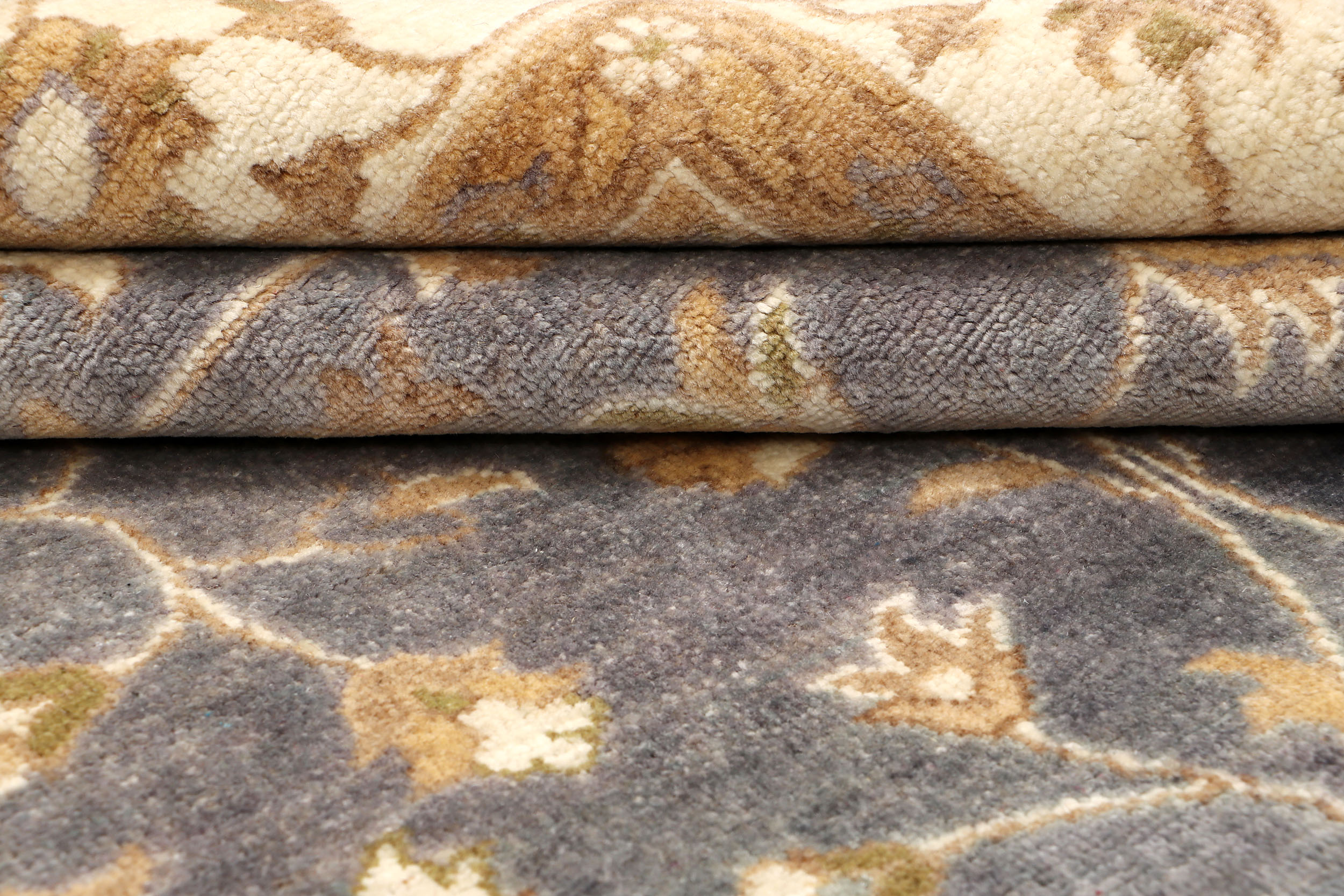
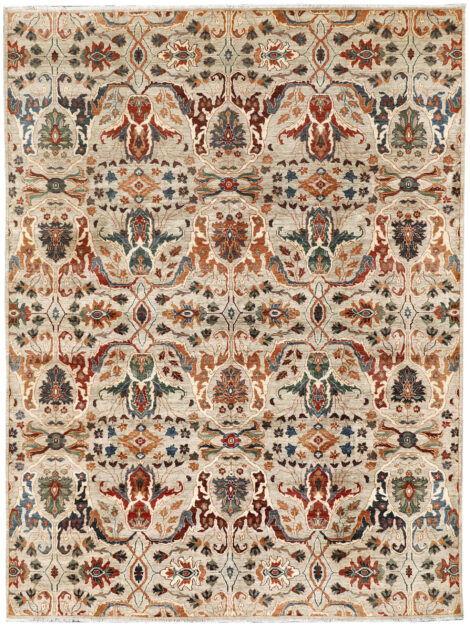
Afghan Chobi
$ 175,000
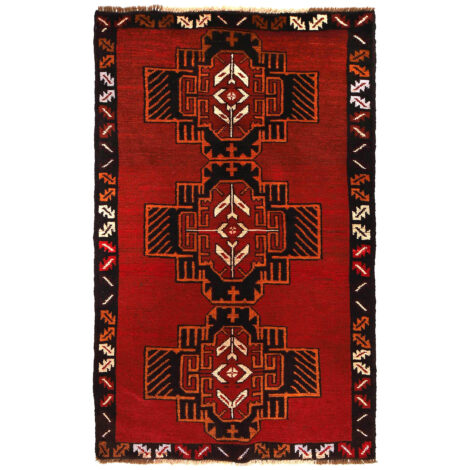
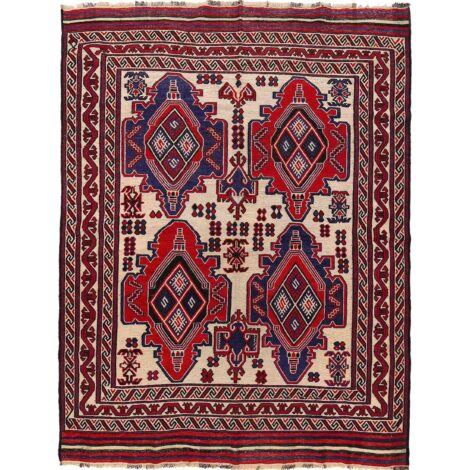
Chobi Ziegler Hand Spun Woolen Carpets
Made in all sizes and colors on order
Description
Afghan Chobi carpets (also called Ziegler or Oshak) are relatively modern in origin but deeply rooted in Afghanistan’s centuries-old rug-weaving traditions.
1. Origins in Traditional Afghan Weaving
Afghanistan has been a major center of handwoven carpets for hundreds of years, especially among Turkmen tribes such as the Ersari, Tekke, and Yomut. Classic Afghan rugs—like Khal Mohammadi and traditional Turkmen designs—were known for:
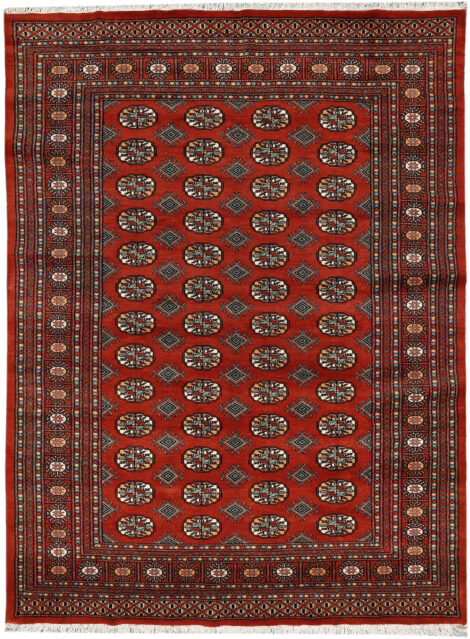
Deep reds and rust tones
Dense geometric and floral patterns
Wool-on-wool and Wool-on-Cotton construction
Carpet production expanded significantly during the 19th century when European demand for Oriental rugs increased.
2. Influence of William Morris and the Arts & Crafts Movement
In the late 19th century, British designer William Morris and the Arts & Crafts Movement revived interest in Persian floral carpet designs, especially those from Sultanabad (modern Arak, Iran). These rugs featured:
Large-scale floral motifs
Open fields
Softer, more muted color palettes
European and American markets developed a strong preference for these lighter, decorative designs.
3. The Ziegler Connection
In the 1880s, the Anglo-Swiss company Ziegler & Co. established workshops in Persia to produce rugs specifically for Western tastes. These “Ziegler carpets” became famous for:
Washed, antique-looking finishes
Large floral patterns
Subdued vegetable-dyed colors
Although originally Persian, the Ziegler aesthetic later influenced production in Afghanistan.
4. Emergence of Chobi Carpets in Afghanistan (Late 20th Century)
The word “Chobi” comes from the Persian word “choob”, meaning wood, referring to the soft, wood-like tones of the dyes.
Chobi carpets began to be produced in Afghanistan in significant numbers during the 1980s–1990s, particularly:
After the Soviet-Afghan War
Among refugee weaving communities in Pakistan
For export markets in Europe and the United States
Afghan weavers adapted the Persian Ziegler floral style but used Afghan wool and traditional hand-knotting methods.
5. Characteristics of Afghan Chobi Carpets
Materials
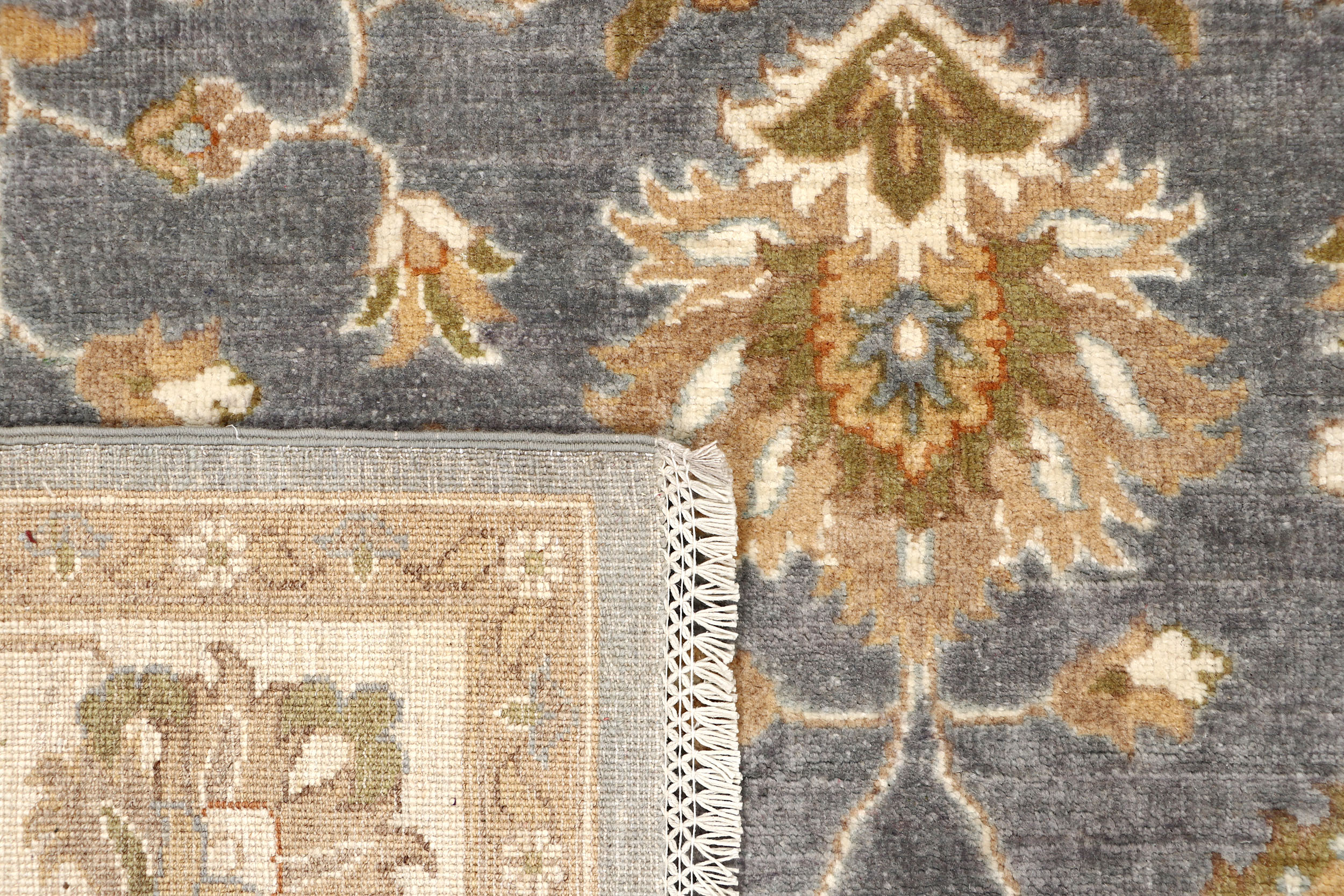
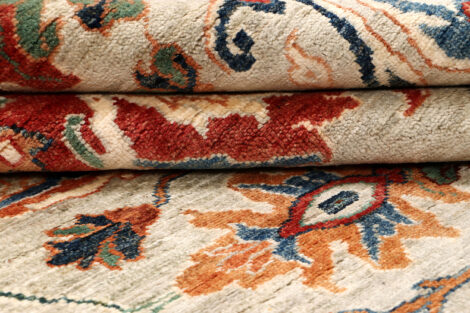
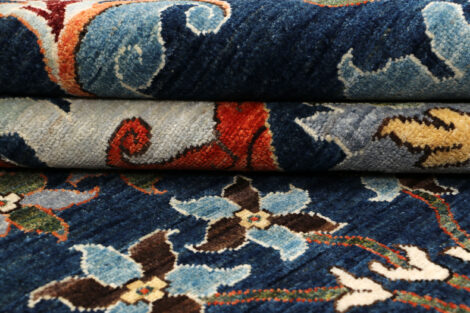
100% hand-spun Afghan wool
Often vegetable-dyed
Cotton foundation (usually)
Design Features
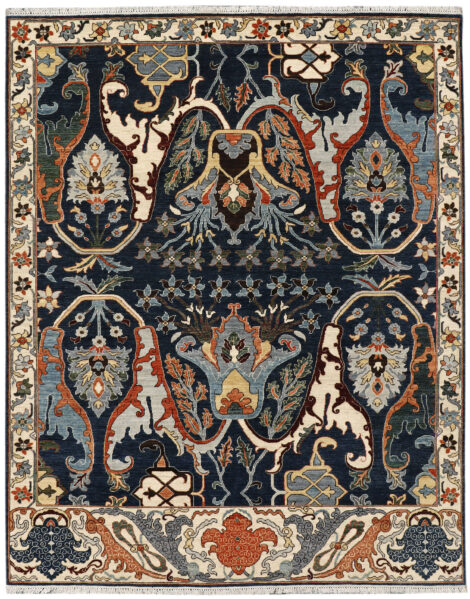
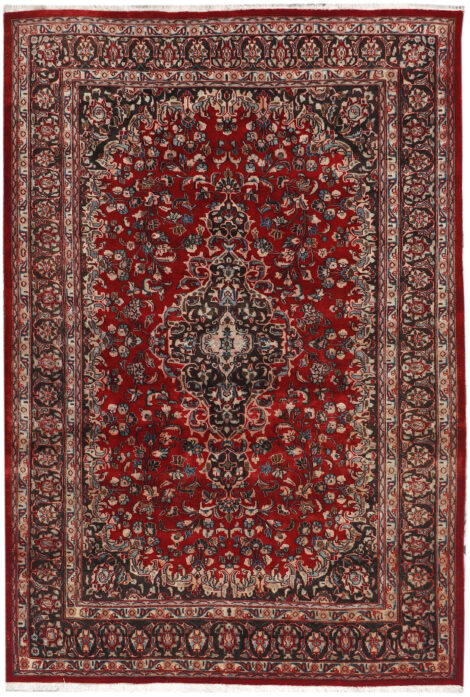
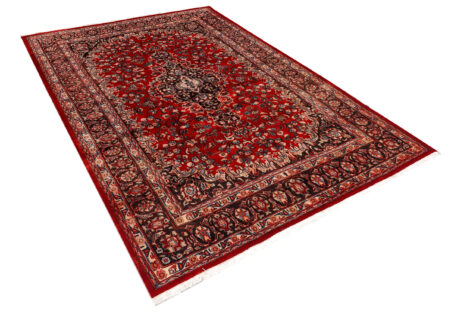
Large floral medallions
Open fields
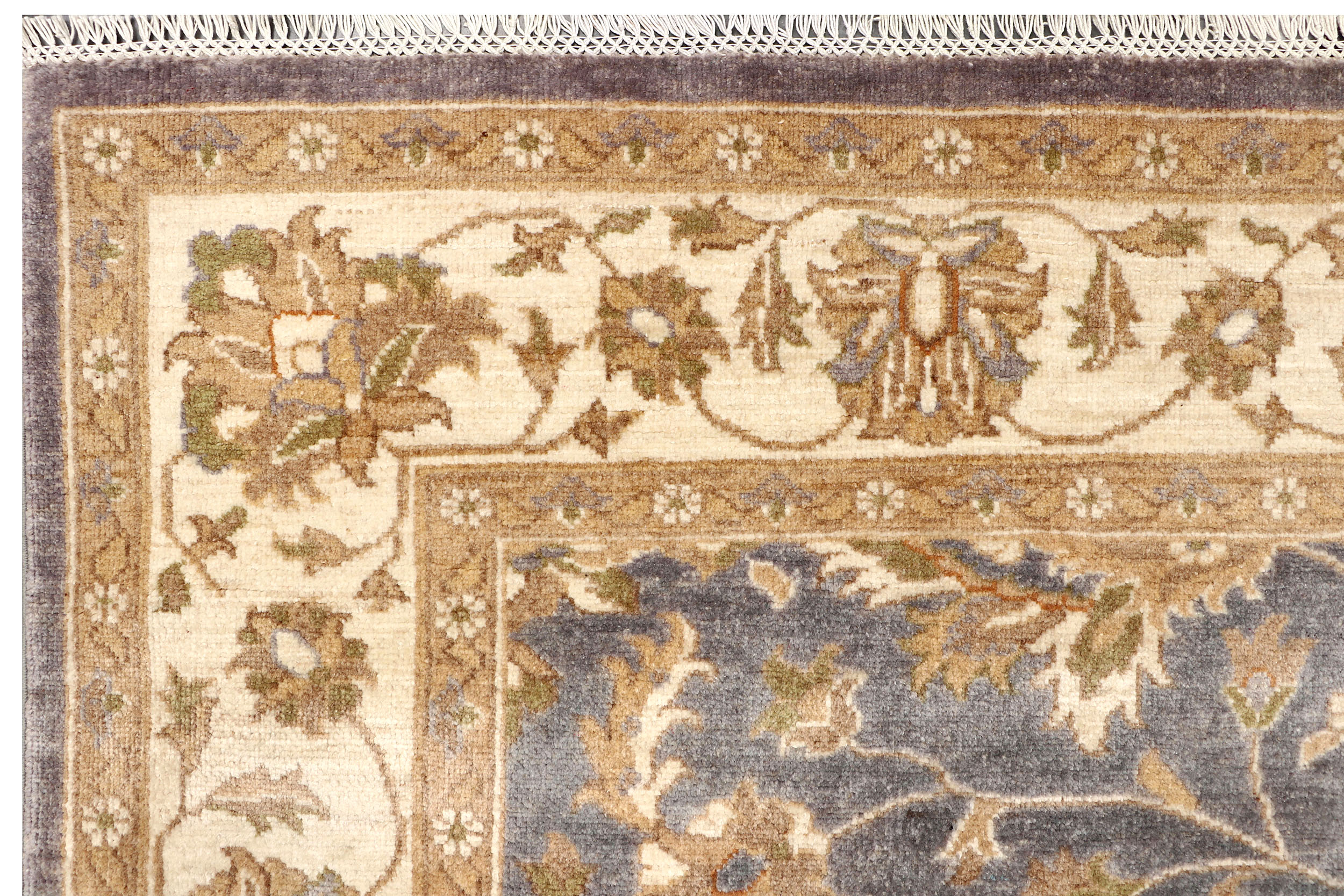
Border-heavy layouts
Softer palettes: beige, gold, soft red, sage, rust
Weaving Style
Hand-knotted
Moderate knot density
Distressed or “antique wash” finish
6. Modern Production Centers
Today, Chobi rugs are primarily woven in:
Northern Afghanistan (especially around Mazar-i-Sharif)
By Afghan weavers in refugee communities
They remain one of Afghanistan’s most important export rug styles, blending:
Persian-inspired design
Afghan craftsmanship
Western decorative preferences
Additional information
| Weight | 6 kg |
|---|---|
| Dimensions | 290 × 198 × 3 cm |

Reviews
There are no reviews yet.